Kitabda Nə Var? Kitabda Nə Var?
Appearance
Join Us
What's in the Book? Discussion About Us
Azərbaycan English ✓ Русский Türkçe
← Reviews
Non-fiction

From Infancy to Adulthood: The Emotional Problems of the Child

In English: From Infancy to Adulthood: The Emotional Problems of the Child (Bebeklikten Yetişkinliğe)
Lee Salk
Review by: Türkanə Əliyeva14 October 20261 min read
A classic child-rearing book in question-and-answer form by the American child psychologist Lee Salk, written for parents: it explains the emotional matters of the family one by one, from the newborn to divorce and death. In the first three chapters read, the strongest side is the close, reassuring language and humane advice on «responding to the baby's crying» and accepting feelings. The weak side is that the book rests on the psychology of the 1970s: some judgements (the later risk of schizophrenia in a baby who is not held, the «biological» role of mothers, fathers' desire for a son) are today regarded as unproven or outdated.
Who Is This Book For?
Good Fit
  • Parents of babies and small children
  • Readers interested in the historical style of child-rearing books of the 1970s–80s
  • Anyone who likes a warm guide written in short questions and answers
Not a Fit
  • Those seeking current, evidence-based child-development information
  • Those seeking a professional treatment protocol
  • Anyone expecting up-to-date paediatric guidance on putting babies to sleep and letting them cry
How Readers Rate It
Practicality 4.0/5 Practical
Scientific currency 2.4/5 Dated
Readability 3.8/5 Flowing
38 voters
The first three chapters: normal problems, the newborn, who cares for the child
Read: the dedication, the contents and the first three chapters — «Normal Emotional Problems», «The Newborn Baby» and «Who Is Looking After Your Child?» — about 12% of the book. The remaining chapters are not covered here.

In the first chapter Salk notes the burden of emotional disorders on society and that treatment in adults is long and often fruitless, and builds his view on this: intervention should come in the earliest childhood, through parents. He writes that parents are «well-meaning but full of wrong information» and defines the aim of the book as helping parents to deal with their children's emotional problems. A normal emotional problem is a small crisis everyone meets; when solved properly it strengthens the person.

In the chapter on the newborn the author, in question-and-answer form, describes the baby's sensory abilities (sight, hearing, touch) and recommends stimulating the baby «continually but in measure», picking the baby up and responding when it cries. He rejects the principle of «let it cry»: in his view unanswered crying in the first nine or ten months creates in the baby the feeling that «people cannot be trusted». He also writes that in choosing between breast and bottle what matters is that the mother is comfortable and happy.

Relying on observations of animals (the lamb and its mother) the author argues that there is a «critical period» for the mother–child bond immediately after birth and criticises separating the baby from the mother in hospitals. He holds that the father's taking part in caring for the baby is «absolutely and indisputably» necessary and explains the father's «wish for a son» by biological and subconscious influences; this part looks both historical and stereotyped to a modern reader.

At the start of the third chapter it is written that the best carers of a child are its parents and that biology and hormones support this. In the case of a «broken bond» the author writes that the baby will develop behaviours such as withdrawal and self-stimulation and may even «turn into a kind of schizophrenia» — a claim weakly founded scientifically that must be read with care.

Reading Experience
  • The chapters begin with short questions put by parents and continue with detailed answers
  • Animal research and the author's clinical observations are brought as examples
  • The language is warm and advisory
  • The basic arguments rest on the psychology of the 1970s and may look doubtful today
Content Warning
The book rests on outdated psychological theories (for example that a baby's crying may later lead to schizophrenia) and should not be taken as current medical or psychological adviceGeneralisations about the «biological roles» of mothers and fathers are stereotypedAdvice on putting babies to sleep and on breastfeeding should be checked against current paediatric guidelines
If You Liked This
I Love You With Your FearsMaría Luisa Ferrerós

A plain, practical approach to children's emotions and fears — reviewed on our site

Fears Inside ChildrenGisela Preuschoff

A book on children's fears for parents and educators — reviewed on our site

Spoiler
How does this part end?
⚠️ The father's role.

At the end of the part read the author asks: «Should a father change his child's nappy and feed him?» and answers: «Absolutely and indisputably, yes». He writes that men who prepare for fatherhood before the child is born are closer to their children, and that active participation of the father in «painless childbirth» strengthens this bond. What follows is outside the scope of this review.

Responsibility. This review reflects the personal assessment of its author, who is responsible for it. As a platform, "What's in the Book?" is not responsible for the content of the review. All rights to the work belong to its author and publisher; the cover image is used for promotional purposes only.

If you see a problem, write to us. Publisher, author, rights holder, or just a reader — it doesn't matter. If there's something problematic about copyright in this review, if the review's author has broken the site's rules, or if you simply have a suggestion or complaint, hey@kitabdanevar.com. We'd rather resolve this between ourselves than go to court: we review requests within 48 hours and, if needed, correct or fully remove the review.
How Would You Rate It?
Did this review help you decide?
Reviews · 0
Similar Books
Reviews
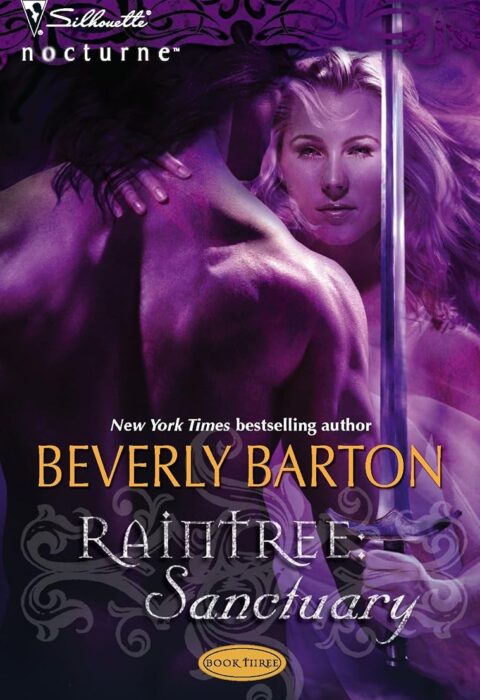
Set against the ancient enmity of powerful magical clans, this paranormal romance is built around a six-year-old girl born from a one-night affair and combines war with love. Its strongest side is the fast plot, little Eve's often funny and often dangerous magic scenes, and the way the conflict of two enemy families turns into union at the end. Its weakest side is the hero's possessive «you are mine» attitude, a first sex scene that looks partly coerced, the shallow presentation of characters carried over from the first two books, and an ending that wraps up in a hurry and too easily. Entertaining for readers of the genre, weak for anyone looking for deep analysis.
3.1 / 5
ReviewsAytən Həsənova
Raintree: Sanctuary

Raintree: Sanctuary

Beverly Barton · Novel
Reviews
French medievalist Anne-Marie Eddé's decade-plus of research produced one of the most rigorous scholarly biographies of Saladin ever written — the Introduction alone demonstrates the book's value, skillfully showing how to draw the line between "legend" and "historical figure" through critical analysis of the sources.
4.5 / 5
ReviewsRafel Əlizadə
Saladin

Saladin

Anne-Marie Eddé · Non-fiction
Reviews
The second volume of Zola's Three Cities trilogy — a classic, densely naturalist novel that follows a young French priest who has lost his faith to Rome to defend a book denounced by Church censors, weaving detailed descriptions of the city together with the Boccanera family's religious and political intrigues.
4.0 / 5
ReviewsTürkanə Əliyeva
Rome

Rome

Émile Zola · Novel
Reviews
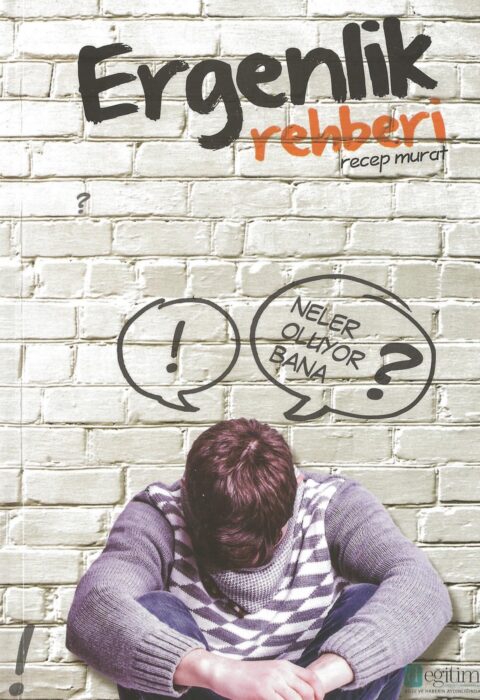
A short guide that speaks directly to teenagers and parents, combining basic concepts of developmental psychology with religious and moral values: its advice on family, school and friendships is practical and warm, but the tone is often preachy, the scientific grounding is thin, and because it is written explicitly from a religious perspective it will not suit every reader.
3.0 / 5
ReviewsCavid Mehdiyev
A Guide to Adolescence

A Guide to Adolescence

Recep Murat · Non-fiction
Esc — close · ↵ — open
Text