
Section 01
What's in the Book?
Every review comes as a closed cover. Hover over it — see the verdict and score inside.
🦉 New reviews to your inbox
454 reviews
Review
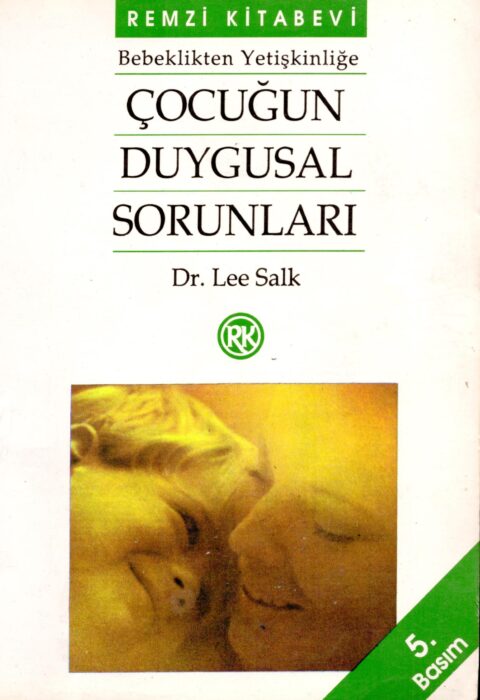
Conflicting accounts and brief exchanges keep the mystery alive. Some lengthy explanations of character slow the search down.
4.0 / 5
Reviewİdris Muxtarzadə
Review
Hay has a familiar way of putting everyday feelings into words. When she presents them as causes of illness and paths to recovery, the book's medical claims lack evidence.
2.5 / 5
ReviewTürkanə Əliyeva

Review
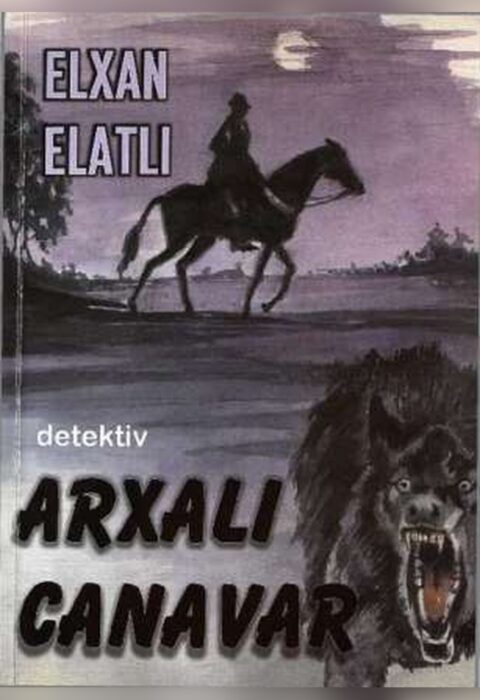
Stories from Okinawa and observations about attention make this a practical introduction to finding meaning in everyday activities.
4.0 / 5
ReviewCavid Mehdiyev
Review
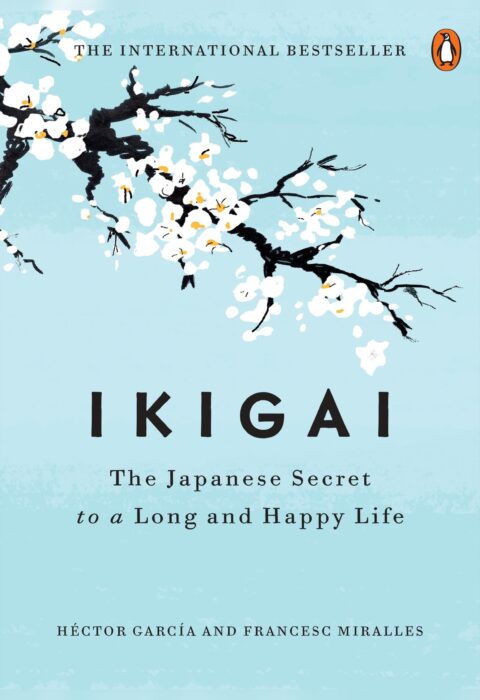
An anthology Nazar Büyüm and Turgay Fişekçi compiled from the nature poems of nearly 60 Turkish poets: several generations from Yahya Kemal to Sunay Akın in one volume. In the first 14 poets read, the strongest quality is that the same subject — sea, tree, snow, spring — is given in very different voices (symbolist, social, the plain «Garip» idiom); the weaker side is that the poems come without commentary, ordered only by birth year, and that some old words need the footnote glosses. A rich selection for looking at Turkish poetry through the window of nature, though a long book to read in one sitting.
3.9 / 5
ReviewAytən Həsənova
Review
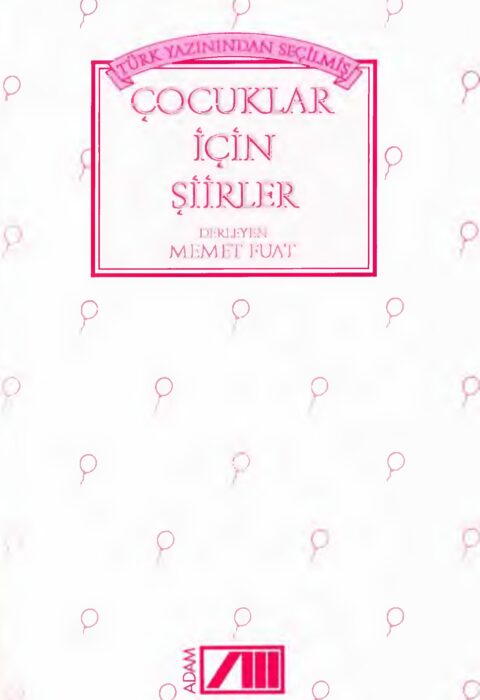
An anthology Memet Fuat compiled from the poems of 12 Turkish poets: most were not written for children, and the compiler presents them as texts «written for adults but taken for their own by children». In the first three poets read (Nâzım Hikmet, Asaf Halet Çelebi, Cahit Sıtkı Tarancı) the strongest quality is plain language meeting deep imagery, and poems that look through a child's eyes without ornament. The weak side is that some poems (Hiroshima, death, poverty) address the grown-up reader rather than the child, and the book gives no commentary. A valuable selection for lovers of poetry and of Turkish verse; to be approached with care if read aloud to a child.
3.8 / 5
ReviewRafel Əlizadə
Review
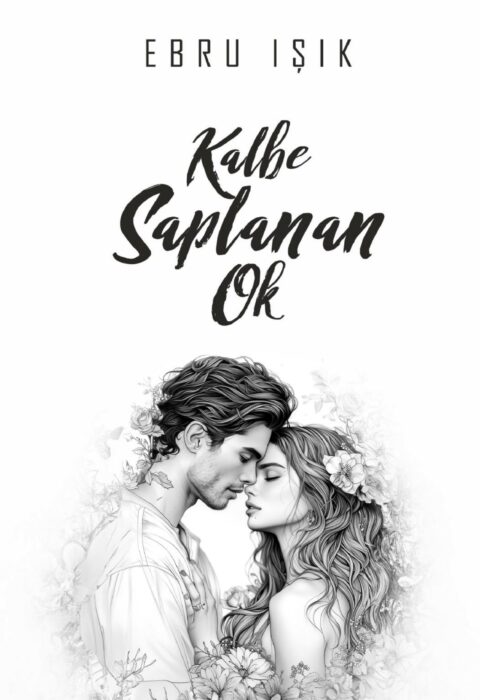
A dark romantic thriller about law student Gece Yalçın, who learns she was made to believe from the age of seven that she killed her parents and plans revenge on her sister and uncle, while a line with the mysterious diplomat Serter, met on a train, drifts toward a «fake marriage». In the chapters read, the strongest qualities are the heroine's double game, the tension built by hidden cameras and the medication, and lively dialogue. The weak side is that inner monologues repeat, Serter is a cliché of the «cold-looking but protective diplomat», and events sometimes rush forward on coincidence. A fast read for fans of dark romance and melodrama, and a light one for readers who want a realistic thriller.
3.3 / 5
Reviewİdris Muxtarzadə
Review
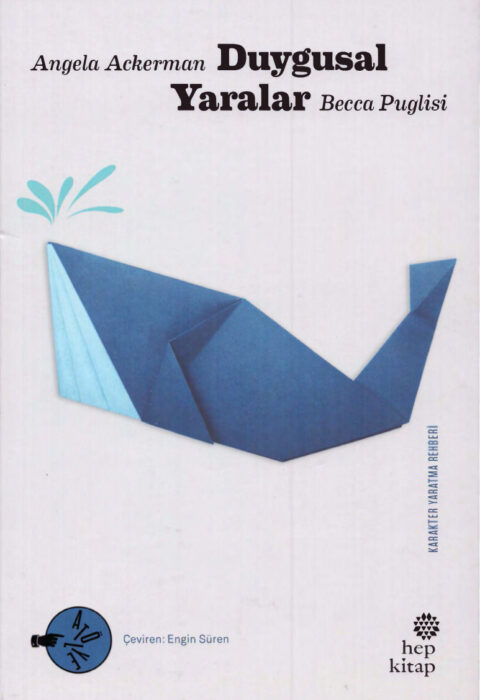
A guide that helps writers build a character's psychological trauma systematically: the opening essays explain how a wound produces a «lie» and changes a character, followed by a dictionary of about a hundred kinds of trauma. In the part read, the strongest side is that a single fictional example (Paul) is followed through the entire theory and that the chain «wound — lie — fear — unmet need» is shown clearly. The weak side is that it simplifies psychological theory (such as Maslow's pyramid), is not a therapeutic resource and offers only a framework for writers.
3.5 / 5
ReviewTürkanə Əliyeva
Review
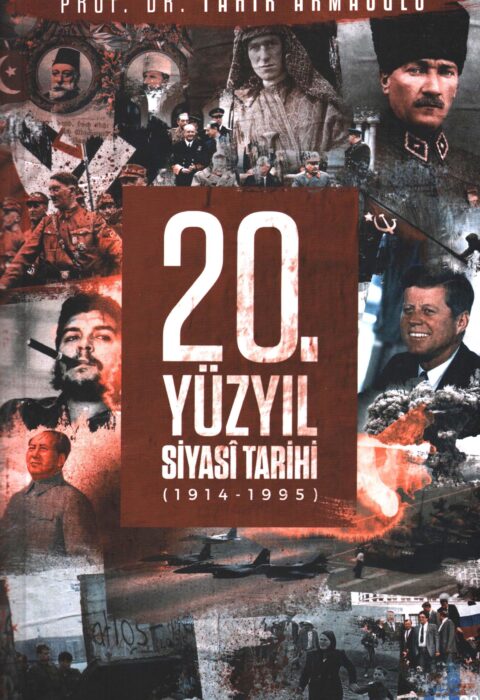
A textbook-level work by Fahir Armaoğlu, one of Turkey's leading historians of international relations, reprinted dozens of times since 1983: starting from 19th-century Europe it explains in chronological, section-by-section fashion the First World War, the interwar period, the Second World War, the Cold War and political history up to 1995. In the first part read, the strongest side is the clear and systematic explanation of liberalism, nationalism and socialism as three currents born of the French Revolution. The weak side is that, in textbook style, the book is dry and dense, relies on long lists of sources and dates, and some assessments reflect the official Turkish historiography of its time.
4.1 / 5
ReviewCavid Mehdiyev
Review
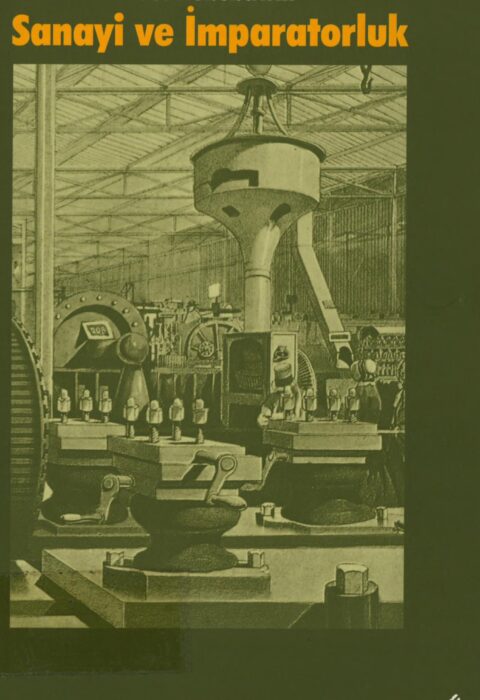
The British historian Hobsbawm's classic synthesis of the economic and social history of Britain since 1750, running from the origins of the Industrial Revolution to the interwar period and the modern era. In the preface and introduction read, the strongest side is the short, coherent and critical way it explains that industrialisation was «the most fundamental transformation in the recorded history of human life» and Britain's extraordinary position in the world in this period. The weak side is the preparation it demands of the reader: although meant for students, it rests on many statistics and academic debates and reflects the historiography of the 1960s.
4.0 / 5
ReviewAytən Həsənova
Review
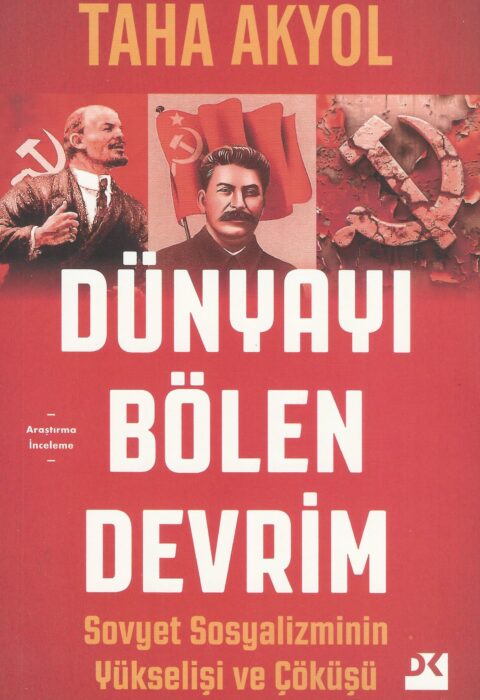
A large book in which the journalist and writer of history Taha Akyol tells in plain language the history of Russia from tsarist rule to the rise and fall of Soviet socialism. In the first chapter read, the strongest side is the fluent, chain-like narration and the way the «continuity» thesis from tsarist despotism to Bolshevik totalitarianism is built with cited sources (Szamuely, Wolfe, Kurat). The weak side is the author's open ideological position (he calls himself anti-communist) and a heavy reliance on the «tradition of despotism» thesis as the single explanatory scheme, while sharper present-day debates are passed over in a sentence or two.
3.8 / 5
ReviewRafel Əlizadə
Review
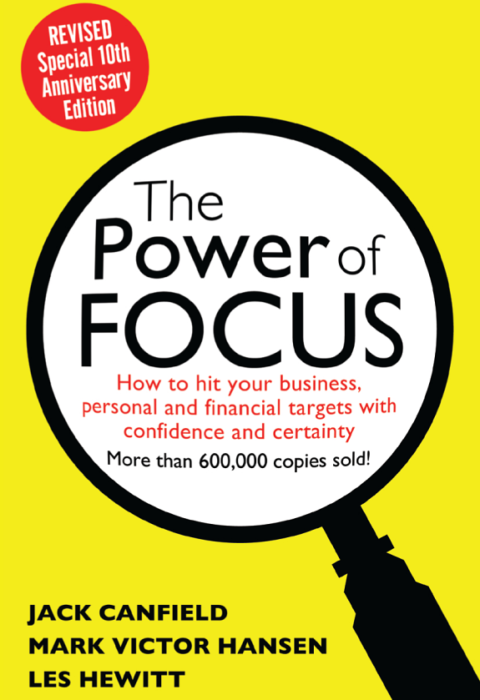
A practical book by the authors of «Chicken Soup for the Soul» that presents ten «focus strategies» for reaching goals in business and personal life, mixing motivation with business experience. In the first strategy read, the strongest side is the way it explains how habits shape the future through simple metaphors (the links of a chain, the «no exceptions» policy) and the concrete «Action Steps» at the end of each section. The weak side is that testimonials such as «hundreds of thousands of clients» and «I raised my income by 246%» cannot be verified, the results rest on selected success stories, and the book has a good deal of advertising in it.
3.5 / 5
Reviewİdris Muxtarzadə
Review
A classic child-rearing book in question-and-answer form by the American child psychologist Lee Salk, written for parents: it explains the emotional matters of the family one by one, from the newborn to divorce and death. In the first three chapters read, the strongest side is the close, reassuring language and humane advice on «responding to the baby's crying» and accepting feelings. The weak side is that the book rests on the psychology of the 1970s: some judgements (the later risk of schizophrenia in a baby who is not held, the «biological» role of mothers, fathers' desire for a son) are today regarded as unproven or outdated.
3.3 / 5
ReviewTürkanə Əliyeva