
Section 01
What's in the Book?
Every review comes as a closed cover. Hover over it — see the verdict and score inside.
🦉 New reviews to your inbox
454 reviews
Review
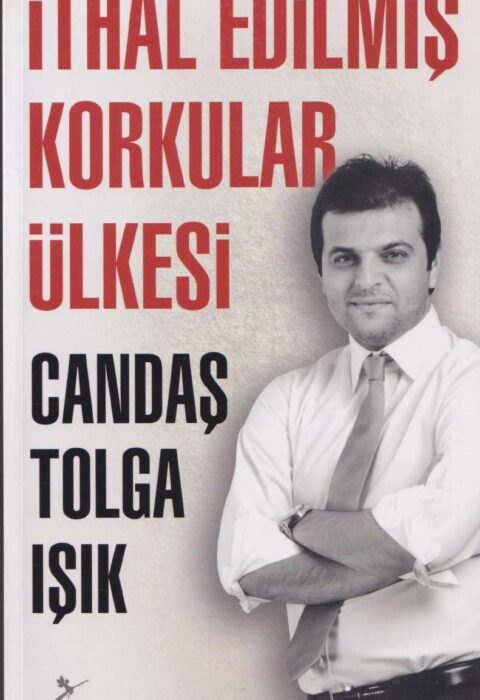
A collection of the short newspaper columns the Turkish journalist Candaş Tolga Işık wrote for «Posta» between 2009 and 2013: each piece is a sharp, ironic and direct reaction to the news (crimes, earthquake and flood, education, politics, the army and the courts). In the first columns read, the strongest side is a short-paragraphed, colloquial and effective style; the weakest is that read outside their historical context the pieces often come across as newspaper jargon and partisan commentary, and some figures are given without sources. For those interested in the style and agenda of the Turkish press in the 2010s.
3.2 / 5
ReviewCavid Mehdiyev
Review
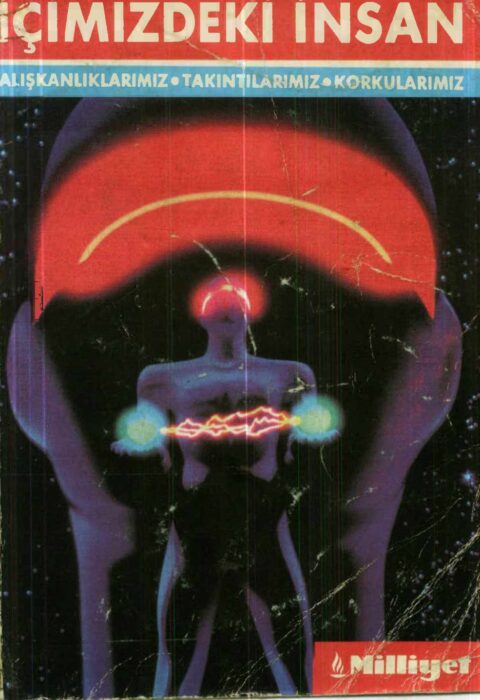
A popular book that explains everyday habits (drinking water from the bottle, listening at doors, twisting the wedding ring, chewing matchsticks) through childhood memories and the subconscious, and then moves on to numbers, colours, palm and face lines, shyness and stress. In the part read, the strongest side is the short everyday scenes everyone recognises and the fluent language. The weakest side is that almost every explanation rests on an unproven formula, «your habit comes from such-and-such a childhood lack», that the «stories» about poets sound invented, and that number, colour and palm fortune-telling is presented as science. It is read for entertainment, not for self-knowledge or treatment.
2.4 / 5
ReviewAytən Həsənova
Review
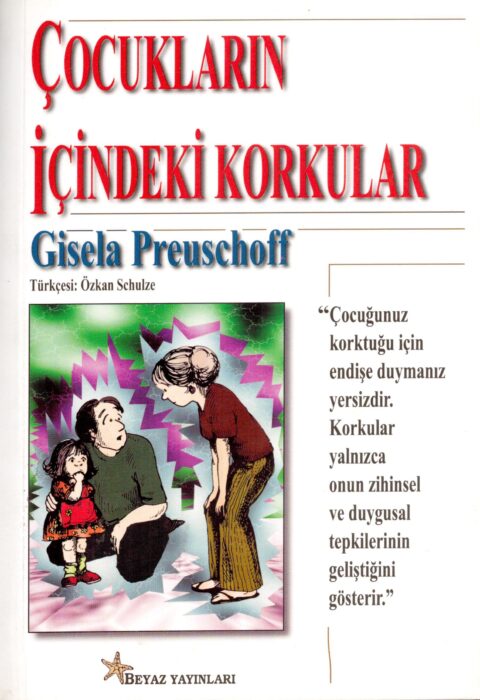
A warm, conversational guide with a spiritual tinge by a German author on children's fears, written for parents and educators. In the first chapter read, the strongest side is the acceptance of fear as a «normal feeling», thoughtful observations on the effect of the media and of adults' fears on children, and examples of calming through story. The weak side is that some claims (television, the immune system, «cosmic energy») sound unsourced and subjective, and the religious-spiritual framework may not suit every reader. A book that calls on parents to face their own fears, but not a scientific textbook.
3.4 / 5
ReviewRafel Əlizadə
Review
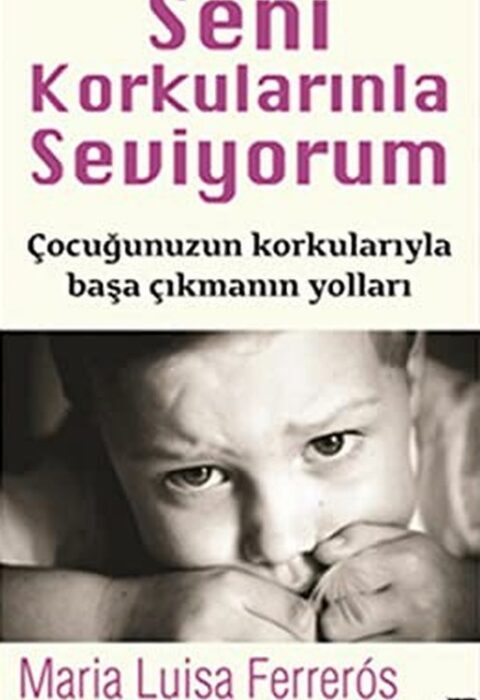
A short, plain and practical guide to fear for parents by a Spanish child psychologist: it explains clearly what fear is, how it changes with age and how a child can be helped. In the first two chapters read, the strongest side is the idea that «fear is not an enemy but a protector» and the concrete tables, games and do/don't lists. The weak side is that scientific claims are often given without sources and that some advice (for example «ignoring» a child who wakes at night) is met with doubt even in the preface to the Turkish edition. A useful starting point for parents; it does not replace a specialist in a clinical problem.
3.6 / 5
Reviewİdris Muxtarzadə
Review
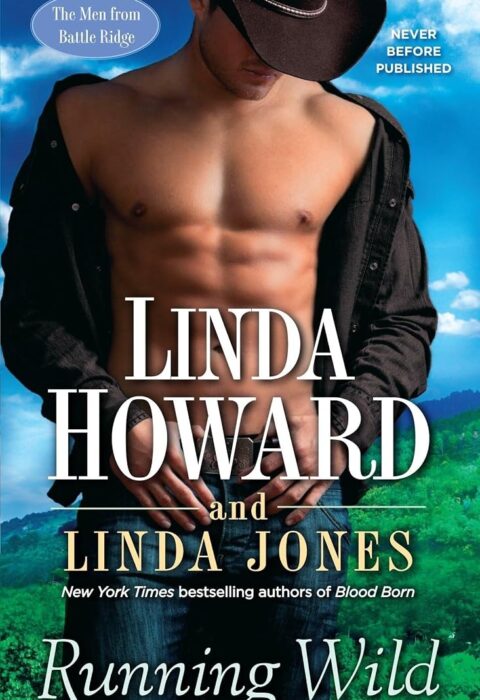
A romantic thriller about Carlin, who has run from a stalker and found work in a small cafe in Wyoming, and Zeke Decker, a cowboy who owns a large ranch. Its strongest side is warm humour, the comic scenes around the heroine's failed «Flawless White Cake», the odd family feeling of the ranch hands, and the pace at which the two authors keep the story lively. Its weakest side is Zeke's over-protective and possessive manner, several repeated scenes in the middle (detailed sex scenes), and a closing fight settled with guns rather than by trusting the law. An easy, pleasant read for lovers of romantic suspense; not for those who want heavy psychological depth.
3.4 / 5
ReviewTürkanə Əliyeva
Review
The book is built from interviews, client dialogues and dream analyses to explain the psychiatrist's «lower brain» and «womb effect» theory to a wide readership. In the first part read, the strongest side is the plain, conversational language and the dialogue format that leads the reader to look at themselves. The weakest side is that none of the main claims is supported by evidence: the 28%/72% division of the brain, «99% of women are under womb dominance» and the match between Sufism and the layers of the brain are presented as science and no source is given. The book should be read not as a source of scientific information but as the author's personal philosophy.
1.6 / 5
ReviewCavid Mehdiyev
Review
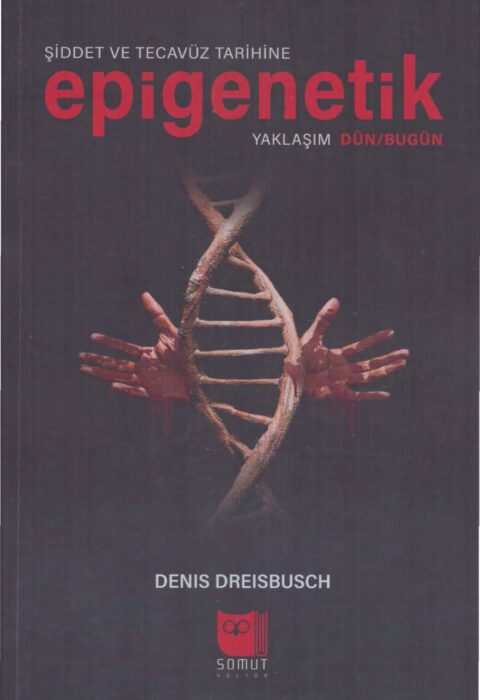
The book wants to explain violence and sexual violence in history with the idea of «epigenetic continuity». In the first section read, the strongest side is the broad list of sources (many footnotes, German psychology and endocrinology textbooks) and the bold approach to the subject. The weakest side is the lack of a consistent argument: epigenetics is used as a metaphor, not in the scientific sense; the text jumps between paedophilia, genocide, political figures, hormones and religion, and some sentences (for example «herded societies») are unproven generalisation. It should be read not as an academic work but as a collection of the author's polemical essays.
2.8 / 5
ReviewAytən Həsənova
Review
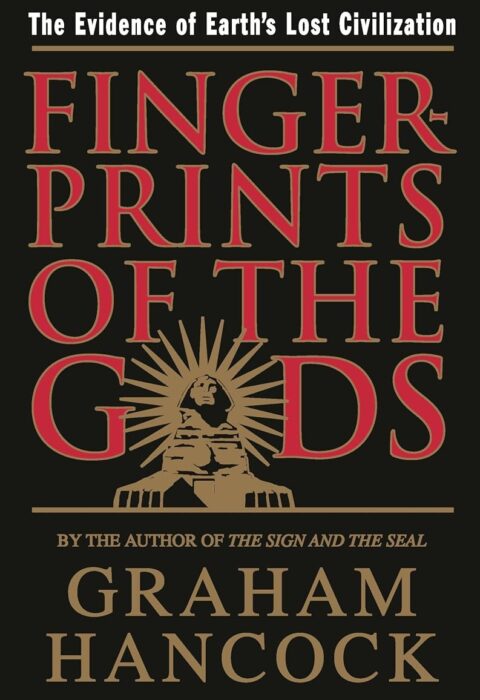
In the first part read, the book is built in a question-and-answer structure: it starts from the Piri Reis and Oronteus Finaeus maps and moves on to Peruvian myths. Its strongest side is the lively writing like a travel report, the description of the flight over Nazca and the enrichment with maps and drawings. The weak side is that the claims about maps and myths rely largely on other authors (Hapgood, Posnansky) and that alternative explanations are set aside as «orthodox». It is an alternative-history book not accepted by science; it reads with interest, but as hypothesis, not as proof.
3.0 / 5
ReviewRafel Əlizadə
Review
The book explains the course of England and other states as the plan of a secret network (the Illuminati, the Masons, the «bankers») with the thesis «nothing in history is coincidence». In the first section that was read, the strongest side is that factual information on English history (Walpole, the industrial revolution) is given briefly and clearly and that there are many footnotes. The weak side is that the main claims rest on probability and coincidence rather than proof and that the claims about the Rothschild family repeat an antisemitic conspiracy theory with a long tradition, which is not confirmed by historical sources. This book should be read not as a history book but as an example of conspiracy theory.
1.8 / 5
Reviewİdris Muxtarzadə

Review
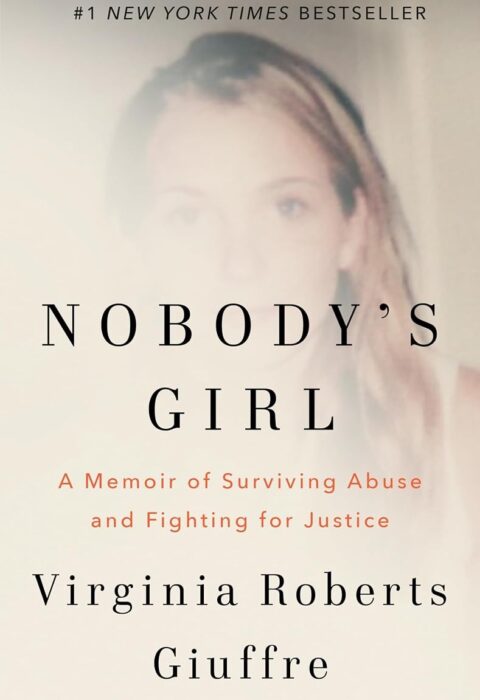
Virginia Giuffre's posthumous memoir telling in the first person of childhood abuse, trafficking, escape and legal struggle. In the editor's note and introduction that were read, the strongest side is that the way the book was prepared and verified is openly shown and the author's reason for speaking is clearly explained. The weak side is that the subject is extremely heavy and that the conflicting positions of the parties (family, husband, the accused) in the editor's note make the book's reliability contested. An important but very hard-to-read testimony.
4.0 / 5
ReviewTürkanə Əliyeva
Review
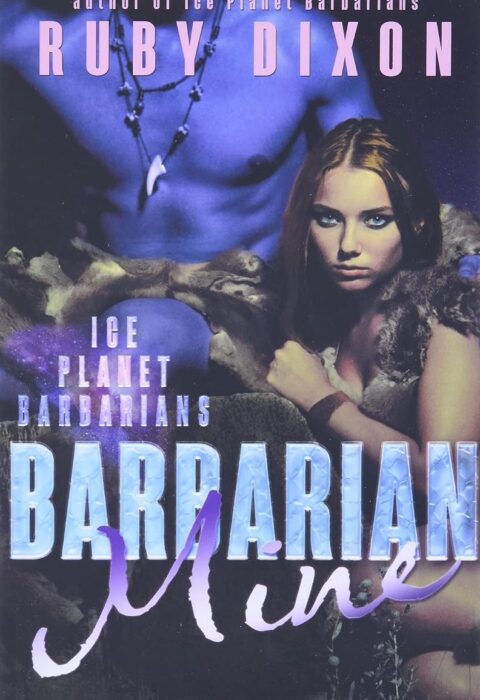
The fourth book of the series about human women living with blue, horned barbarians on another planet is the adventure of Rukh, a barbarian who has lived alone and half forgotten how to speak, and Harlow, who has been saved from cancer. Its strongest side is a sweet romance built on language learning, warm humour and the way family and community make sense at the end. Its weakest side is the question of consent at the start, when Rukh knocks Harlow out, carries her off and ties her hands and feet (the hero is softened when he later learns the word «no» and stops), the many detailed sex scenes, and the coarse, wrong word choices of the unofficial translation. Entertaining for readers of the genre, not for everyone.
3.2 / 5
ReviewCavid Mehdiyev
Review
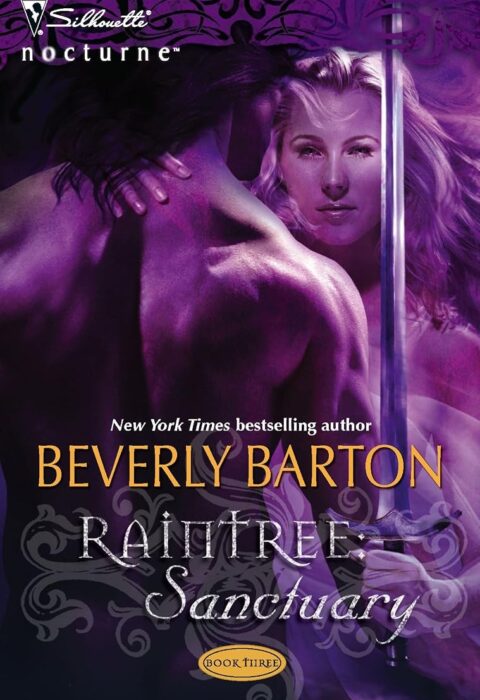
Set against the ancient enmity of powerful magical clans, this paranormal romance is built around a six-year-old girl born from a one-night affair and combines war with love. Its strongest side is the fast plot, little Eve's often funny and often dangerous magic scenes, and the way the conflict of two enemy families turns into union at the end. Its weakest side is the hero's possessive «you are mine» attitude, a first sex scene that looks partly coerced, the shallow presentation of characters carried over from the first two books, and an ending that wraps up in a hurry and too easily. Entertaining for readers of the genre, weak for anyone looking for deep analysis.
3.1 / 5
ReviewAytən Həsənova