Kitabda Nə Var? Kitabda Nə Var?
Appearance
Join Us
What's in the Book? Discussion About Us
Azərbaycan English ✓ Русский Türkçe
New review: The Emotional Wound ThesaurusDiscussion: Novels you can finish in a single weekend?New review: The Emotional Wound ThesaurusDiscussion: Novels you can finish in a single weekend?
This Week's Shelf

Touch the cover,
see inside

All Reviews
Reviews
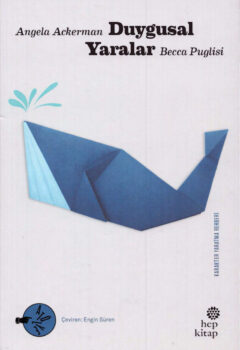
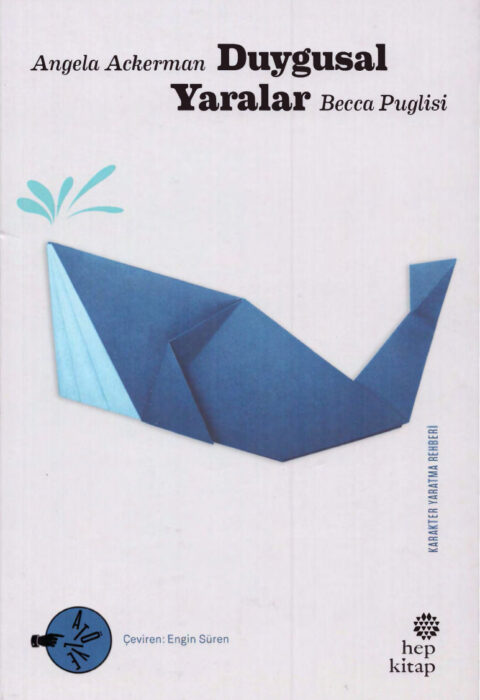
A guide that helps writers build a character's psychological trauma systematically: the opening essays explain how a wound produces a «lie» and changes a character, followed by a dictionary of about a hundred kinds of trauma. In the part read, the strongest side is that a single fictional example (Paul) is followed through the entire theory and that the chain «wound — lie — fear — unmet need» is shown clearly. The weak side is that it simplifies psychological theory (such as Maslow's pyramid), is not a therapeutic resource and offers only a framework for writers.
3.5 / 5
ReviewsTürkanə Əliyeva
The Emotional Wound Thesaurus

The Emotional Wound Thesaurus

Angela Ackerman, Becca Puglisi · Non-fiction
Reviews
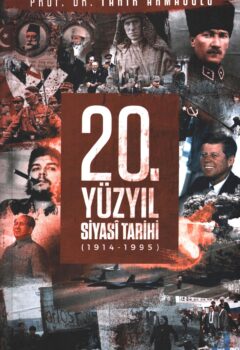
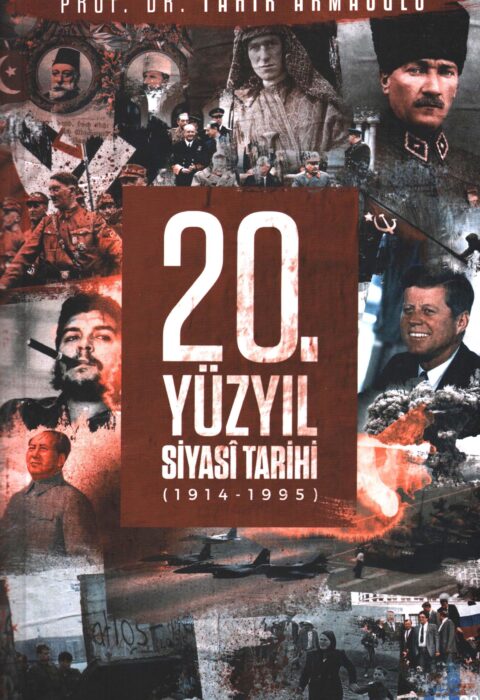
A textbook-level work by Fahir Armaoğlu, one of Turkey's leading historians of international relations, reprinted dozens of times since 1983: starting from 19th-century Europe it explains in chronological, section-by-section fashion the First World War, the interwar period, the Second World War, the Cold War and political history up to 1995. In the first part read, the strongest side is the clear and systematic explanation of liberalism, nationalism and socialism as three currents born of the French Revolution. The weak side is that, in textbook style, the book is dry and dense, relies on long lists of sources and dates, and some assessments reflect the official Turkish historiography of its time.
4.1 / 5
ReviewsCavid Mehdiyev
Political History of the 20th Century (1914–1995)
Political History of the 20th Century (1914–1995)

Fahir Armaoğlu · Non-fiction
Reviews
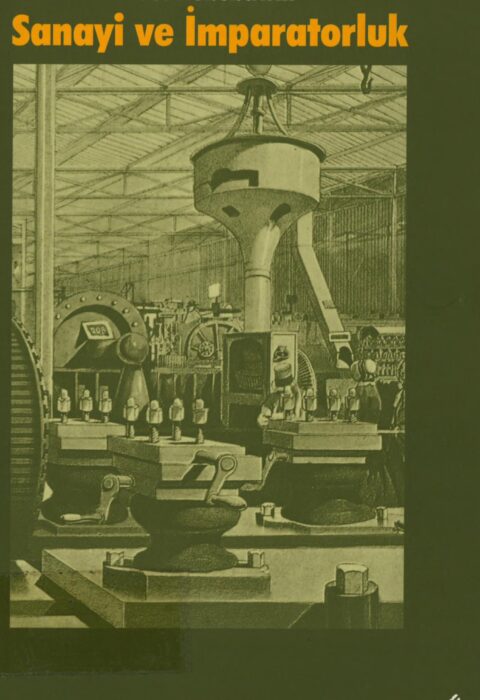
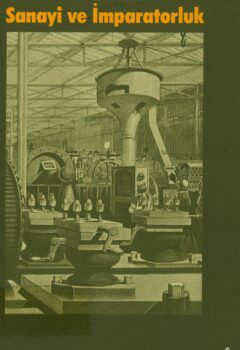
The British historian Hobsbawm's classic synthesis of the economic and social history of Britain since 1750, running from the origins of the Industrial Revolution to the interwar period and the modern era. In the preface and introduction read, the strongest side is the short, coherent and critical way it explains that industrialisation was «the most fundamental transformation in the recorded history of human life» and Britain's extraordinary position in the world in this period. The weak side is the preparation it demands of the reader: although meant for students, it rests on many statistics and academic debates and reflects the historiography of the 1960s.
4.0 / 5
ReviewsAytən Həsənova
Industry and Empire

Industry and Empire

Eric J. Hobsbawm · Non-fiction
Reviews
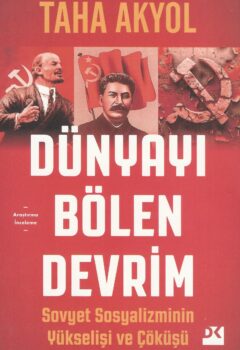
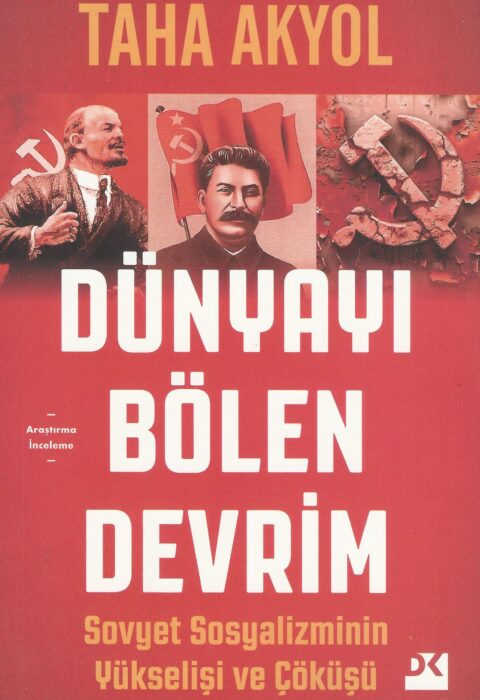
A large book in which the journalist and writer of history Taha Akyol tells in plain language the history of Russia from tsarist rule to the rise and fall of Soviet socialism. In the first chapter read, the strongest side is the fluent, chain-like narration and the way the «continuity» thesis from tsarist despotism to Bolshevik totalitarianism is built with cited sources (Szamuely, Wolfe, Kurat). The weak side is the author's open ideological position (he calls himself anti-communist) and a heavy reliance on the «tradition of despotism» thesis as the single explanatory scheme, while sharper present-day debates are passed over in a sentence or two.
3.8 / 5
ReviewsRafel Əlizadə
The Revolution That Divided the World: The Rise and Fall of Soviet Socialism
The Revolution That Divided the World: The Rise and Fall of Soviet Socialism

Taha Akyol · Non-fiction
Author of the Week

"A textbook-level work by Fahir Armaoğlu, one of Turkey's leading historians of international relations, reprinted dozens of times since 1983: starting from 19th-century Europe it explains in chronological, section-by-section fashion the First World War, the interwar period, the Second World War, the Cold War and political history up to 1995. In the first part read, the strongest side is the clear and systematic explanation of liberalism, nationalism and socialism as three currents born of the French Revolution. The weak side is that, in textbook style, the book is dry and dense, relies on long lists of sources and dates, and some assessments reflect the official Turkish historiography of its time."

Ca
Cavid Mehdiyev
94 reviews · avg. rating 3.8
01

Read

Editorial and community reviews — both held to the same standard.

02

Rate

5 stars, three emoji reactions, one-sentence verdict. That's it.

03

Save to Shelf

Your favorites, wishlist, and reading history — all in one place.

04

Write

Submit your own review — once approved, it goes live on the site.

Esc — close · ↵ — open
Text