
Section 01
What's in the Book?
Every review comes as a closed cover. Hover over it — see the verdict and score inside.
🦉 New reviews to your inbox
33 reviews
Review
An anthology Nazar Büyüm and Turgay Fişekçi compiled from the nature poems of nearly 60 Turkish poets: several generations from Yahya Kemal to Sunay Akın in one volume. In the first 14 poets read, the strongest quality is that the same subject — sea, tree, snow, spring — is given in very different voices (symbolist, social, the plain «Garip» idiom); the weaker side is that the poems come without commentary, ordered only by birth year, and that some old words need the footnote glosses. A rich selection for looking at Turkish poetry through the window of nature, though a long book to read in one sitting.
3.9 / 5
ReviewAytən Həsənova
Review
An anthology Memet Fuat compiled from the poems of 12 Turkish poets: most were not written for children, and the compiler presents them as texts «written for adults but taken for their own by children». In the first three poets read (Nâzım Hikmet, Asaf Halet Çelebi, Cahit Sıtkı Tarancı) the strongest quality is plain language meeting deep imagery, and poems that look through a child's eyes without ornament. The weak side is that some poems (Hiroshima, death, poverty) address the grown-up reader rather than the child, and the book gives no commentary. A valuable selection for lovers of poetry and of Turkish verse; to be approached with care if read aloud to a child.
3.8 / 5
ReviewRafel Əlizadə
Review
Eugène Ionesco's most famous play: in a small town people turn into rhinoceroses one by one, and only Béranger, a drink-prone, untidy minor clerk, tries to stay human. In the first part that was read, the strongest side is the animal passing through an ordinary conversation and the crowd getting used to it after a brief shock; the logician scenes are both funny and disturbing. The weak side is Jean's repeated advice in the long dialogues of the first part, and the stage directions. A classic worth reading on conformism and individual resistance.
4.2 / 5
ReviewAytən Həsənova
Review
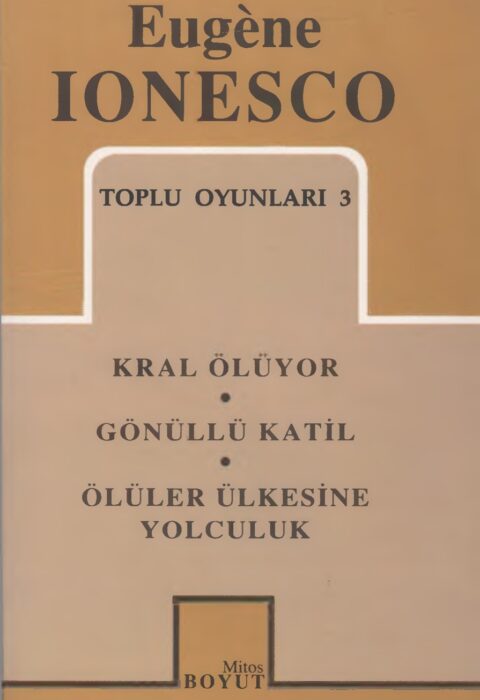
Eugène Ionesco's play about death: King Béranger I, in the last hour of his reign, refuses to accept dying, and his country falls apart with him. In the first part that was read, the strongest side is the way death is shown with cosmic and everyday detail alike (the cracking wall, the shrinking country, cobwebs), grotesque and touching. The weak side is the long monologues and repeated pleas. A strong choice for anyone who wants to read the theme of death in the language of theatre.
4.1 / 5
ReviewRafel Əlizadə
Review
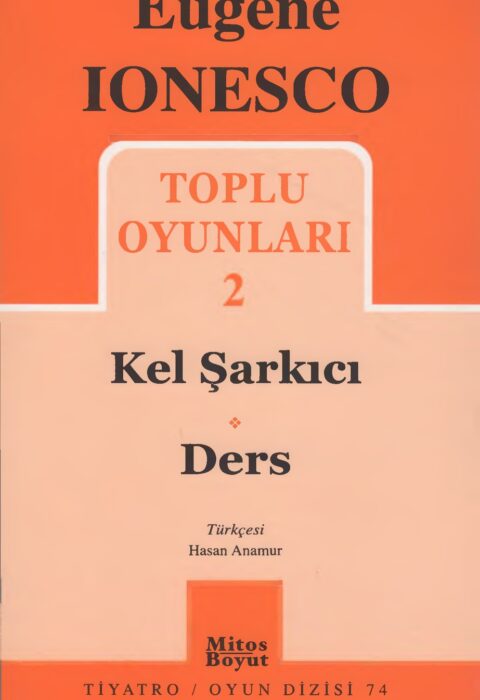
Eugène Ionesco's short play, which started absurd theatre and which he called an «anti-play»: two English couples talk in ordinary words and the talk gradually turns to meaninglessness. In the first four scenes that were read, the strongest side is the dialogue itself: the clichés, the mismatched logic and the «Bobby Watson» scene are both funny and disturbing. The weak side is that wordplay and stage rhythm are sometimes lost in translation and the monotonous dialogue drags. A good, short and well-known text for starting on the history of absurd theatre.
4.0 / 5
Reviewİdris Muxtarzadə
Review
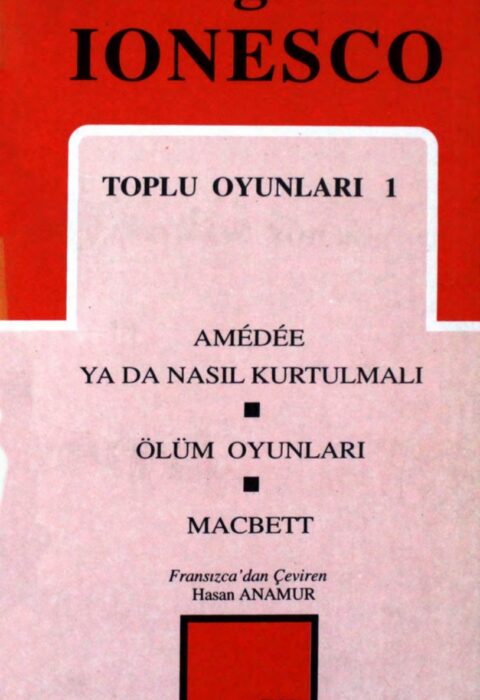
Eugène Ionesco's first full-length play: as the dead man lying in a poor couple's home for fifteen years grows, the marriage, creativity and shared guilt grow heavier too. In the Act One that was read, the strongest side is the grotesque comedy joined to a frank portrait of a worn-out marriage: the mushroom, switchboard and basket scenes are both funny and disturbing. The weak side is the old-fashioned theatrical language of the translation and the very detailed stage directions. An interesting read for anyone who wants a closer look at a well-known example of absurd theatre.
3.8 / 5
ReviewTürkanə Əliyeva
Review
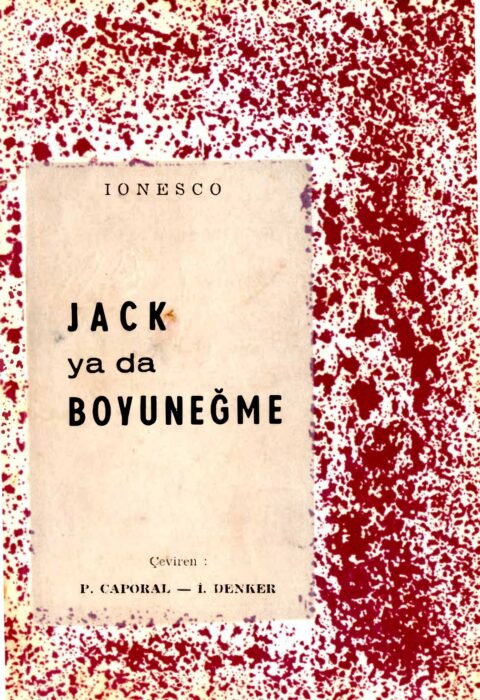
A book combining two short absurd plays by Eugène Ionesco: a comedy in which the family forces Jacques to say «I like bacon potatoes» and then to marry, satirically showing conformism and family-society pressure. Its strongest side is the short, rhythmic and very compact dialogue and the funny but frightening atmosphere. Its weak side is that wordplay is lost in translation and that strange depictions are heavy for some readers. An interesting read for lovers of absurd theatre, hard going for those seeking an ordinary story.
3.8 / 5
ReviewCavid Mehdiyev
Review
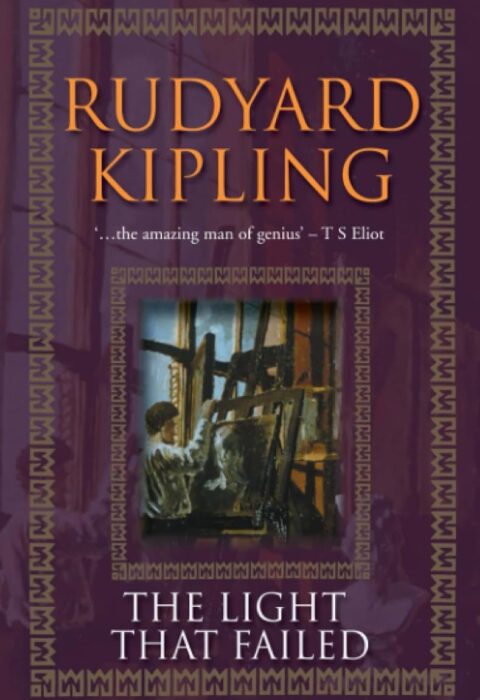
The first novel by the author of “The Jungle Book”: a dark, uneven but memorable book about art, fame, male friendship and unrequited love. Its strongest sides are the harsh description of the Sudan battle, the warm and funny friendship between the painter Dick and the correspondent Torpenhow, and an honest argument about selling art for money. The second half is clearly darker and more painful than the first, and the climactic scenes largely make up for the slow start. The weak sides: the first half moves slowly, the female characters are drawn harshly and one-sidedly, the judgements on women painters sound dated and prejudiced today, and the Turkish translation has an old-fashioned style in which some heavy sentences are hard to follow. The book ends without consolation and is not for anyone looking for a happy ending. Interesting for readers who want to see a lesser-known side of Kipling, but not a good first Kipling.
3.7 / 5
ReviewTürkanə Əliyeva
Review
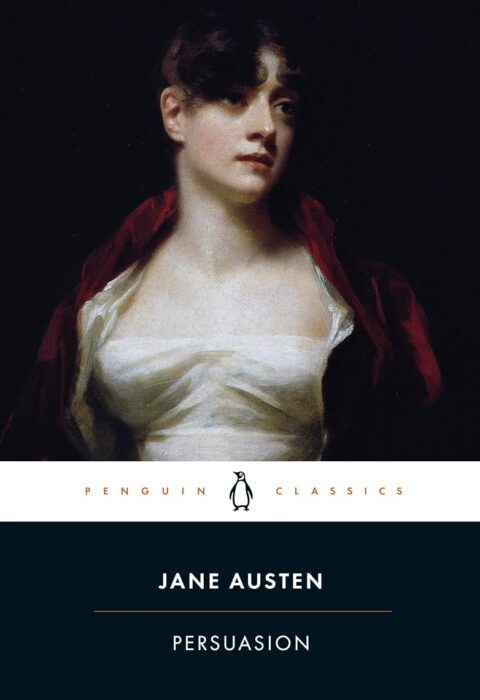
Jane Austen's last completed novel — mature, quiet and one of her saddest love stories. The story of Anne Elliot, who eight years earlier broke off her engagement to a penniless naval officer on the advice of a close friend, keeps Austen's irony while turning toward deeper themes of regret and second chances. Sir Walter's vanity, Mary's endless complaints and the noise of the Musgrove household are wonderfully drawn. This Turkish edition needs a separate warning, though: it is sold as “Love, Despite Everything” rather than “İkna”, the translation is muddled and heavy in places. The novel itself is a five-star book; this edition is weaker — choose another translation if you can.
4.5 / 5
ReviewRafel Əlizadə
Review
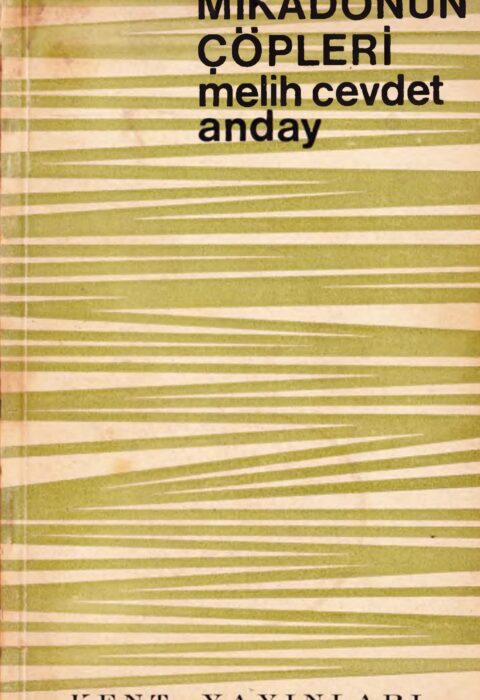
On a snowy winter night, at two in the morning, a drunk man brings home a stranger — a woman waiting on a street corner with a baby in her arms. This two-hander in one act is one of the finest examples of Turkish theatre's absurdist and existential experiments: the stories told contradict each other, it is never clear who is lying, and ideas of kindness and pity are put to the test. The dialogue is sharp, funny and unsettling. Although written for the stage, it is a strong text to read as well.
4.0 / 5
ReviewRafel Əlizadə
Review
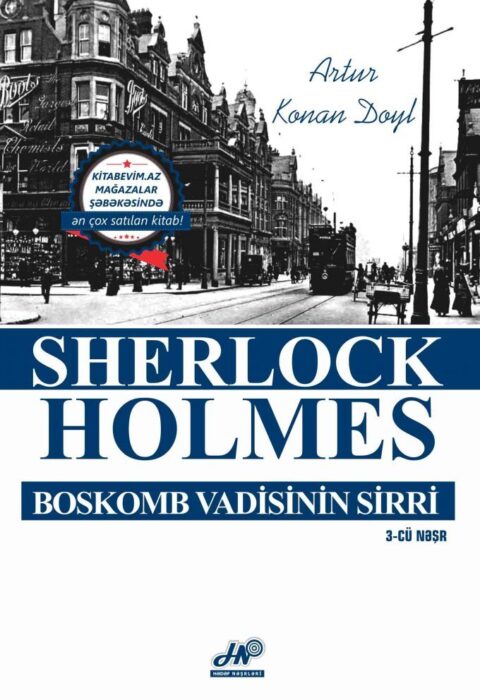
A good selection that gathers six classic stories from «The Adventures of Sherlock Holmes» in Azerbaijani; the title story — with its Australian past, a hidden blackmail and a dying man's confession — is one of the densest and most human Holmes mysteries, though the adaptation from a Turkish edition garbles some sentences.
4.2 / 5
ReviewTürkanə Əliyeva
Review
A broad selection running from Camus's youthful essays to his Nobel speech; the title essay is a devastatingly sincere, lyrical text on poverty, silence and a mother's love — a valuable chance to read these pieces in Azerbaijani, though the translation and printing contain a fair number of errors.
4.4 / 5
ReviewRafel Əlizadə