Kitabda Nə Var? Kitabda Nə Var?
Appearance
Join Us
What's in the Book? Discussion About Us
Azərbaycan English ✓ Русский Türkçe
← Reviews
Non-fiction

202 Extraordinary Ideas to Make Your Life Better

In English: 202 Extraordinary Ideas to Make Your Life Better (Hayatınızı Güzelleştirecek Sıradışı 202 Fikir)
Alexander Winterman
Review by: Rafel Əlizadə13 October 20261 min read
Alexander Winterman's book of short tips suggesting to the reader a «We» way of thinking — kindness, loyalty, volunteering, care for animals and nature. In the first tips that were read, the strongest side is brevity, plain language and the concrete step towards doing good at the end of each tip (donating blood, volunteering, planting trees). The weak side is that a number of «psychological facts» are given without scientific sources, that the stories stay at the level of legend and that the exhortatory tone sometimes seems heavy-handed. Suitable for those seeking a light, inspiring read; it is not scientific or psychological literature.
Who Is This Book For?
Good Fit
  • Readers who want to read short, motivating tips one by one
  • Those who want to rethink small habits in daily life and relationships
  • Anyone looking for a gift book: short pages, plain language
Not a Fit
  • Anyone seeking a psychology or self-development book with scientific sources
  • Anyone expecting deep or original philosophical analysis: the tips are short and familiar
  • Anyone sensitive to an exhortatory tone
How Readers Rate It
Readability 4.6/5 Smooth
Depth 1.6/5 Surface
Practical advice 4.0/5 A lot
40 voters
The first tips: «Twenty interesting psychological facts», kindness, volunteering and making peace with yourself
Read: the «Before You Begin» page, the list «Twenty Interesting Psychological Facts» and the first 18 tips — from «Do Good and Donate» to «Don't Forget to Drink Water» (approx. pp. 10–48) — about 18% of the book. The remaining tips were not read.

The book opens on the «Before You Begin» page by putting questions to the reader: what brought you to this book, what proposals do you have for making the world more liveable, are problems growing because of the large number of those who say «I», why does the «We» awareness attract so little interest. Alexander Winterman asks the reader first to write down their own aims and after reading to note how many of them they found in the book. Then comes the list «Twenty Interesting Psychological Facts»: that one cannot tickle oneself, that your favourite song is paired with an emotional moment, that rejection is perceived by the brain as physical pain, that facial expressions are universal for six emotions (happiness, anger, sadness, fear, surprise, disgust), that spending money on experiences makes you happier, and so on.

The next tips are geared to the idea of «We»: «Do Good and Donate» — pity that merely eases the conscience is not enough, and donating to institutions matters more than individual help; «First Make Peace with Yourself» — the story of a gold prospector who fought with everyone (murder, poisoning, prison) and the prison doctor's words «first make peace with yourself, the rest will follow»: the man looks in a mirror and sees the anger and fear on his face, learns to smile and speak politely, then has a school and a home for the elderly built; when he dies half the town attends his funeral. «Respect Human Rights, Animals and Nature» and «Organ Donation»: the body is the soul's «garage», and once the soul has left, the organs are needed by others.

Other tips: «Donate Blood», «Volunteer» (32 million people volunteer in Germany), «Take Control of Your Time» (if everyone gave two weeks a year to helping), «Be Loyal» (visit the sick, call old friends), «Take Part in Social Projects» (Mrs Anne, a volunteer story-reader in California), «Laugh and Make Others Laugh», «Live Differently Every Day» and «Don't Just Love Animals»: in China a sage tells his pupil «when you beat the horse you have struck me». «Take Care of Street Children», «Help Abused Women», «Plant Trees» (if every adult planted one tree a year, 60 million trees).

The author writes in plain language with an exhortatory tone; each section is short, a page or two, and often ends with an anecdote or legend. Some claims — for example that those who help «are remembered most for their good deeds in life and after death» or that «donation prevents disasters» — are given without sources. The stories (the gold prospector, Mrs Anne the story-reader, the Chinese sage) are at the level of tradition and have not been verified.

Reading Experience
  • Each tip opens with a short heading and fits on a page or two
  • The book uses examples from anecdote, legend and news (the gold prospector, the Chinese sage)
  • At the end of each section there is a direct call to the reader («What do you say?»)
  • The language is plain and direct, and a strong emotional tone is built with many exclamations
Content Warning
A number of claims in the list «Twenty Psychological Facts» (for example that phobias are inherited through DNA, or that people blind from birth do not get schizophrenia) are scientifically unconfirmed and no sources are given in the bookThe stories and figures (trees, number of volunteers) are at the level of tradition and estimateThe book is not medical or psychological advice; advice on organ and blood donation should be discussed with a doctor
If You Liked This
The Subtle Art of Not Giving a F*ckMark Manson

Another critical, lightly written view of daily life

Atomic HabitsJames Clear

A book explaining, with evidence-based examples, how small habits change a life

Thinking, Fast and SlowDaniel Kahneman

An evidence-based and critical look at psychological «facts»

Spoiler
How does this part end?
⚠️ «Don't forget to drink water».

At the end of the part read the author arrives at the tip «Don't Forget to Drink Water!»: water has both physical and metaphysical effects; sit by the water and listen only to the sound of the water and you will see the dark effects left on your soul by daily problems fly away one by one. What follows is outside the scope of this review.

Responsibility. This review reflects the personal assessment of its author, who is responsible for it. As a platform, "What's in the Book?" is not responsible for the content of the review. All rights to the work belong to its author and publisher; the cover image is used for promotional purposes only.

If you see a problem, write to us. Publisher, author, rights holder, or just a reader — it doesn't matter. If there's something problematic about copyright in this review, if the review's author has broken the site's rules, or if you simply have a suggestion or complaint, hey@kitabdanevar.com. We'd rather resolve this between ourselves than go to court: we review requests within 48 hours and, if needed, correct or fully remove the review.
How Would You Rate It?
Did this review help you decide?
Reviews · 0
Similar Books
Reviews
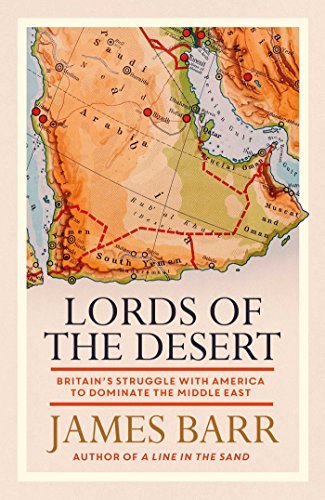
A powerful history that tells, through archival documents, diaries and vivid anecdotes, the fierce rivalry between Britain and the United States behind their «allied» façade in the Middle East from the Second World War to 1971 — diplomatic history that reads like a thriller.
4.2 / 5
ReviewsTürkanə Əliyeva
Lords of the Desert

Lords of the Desert

James Barr · Non-fiction
Reviews
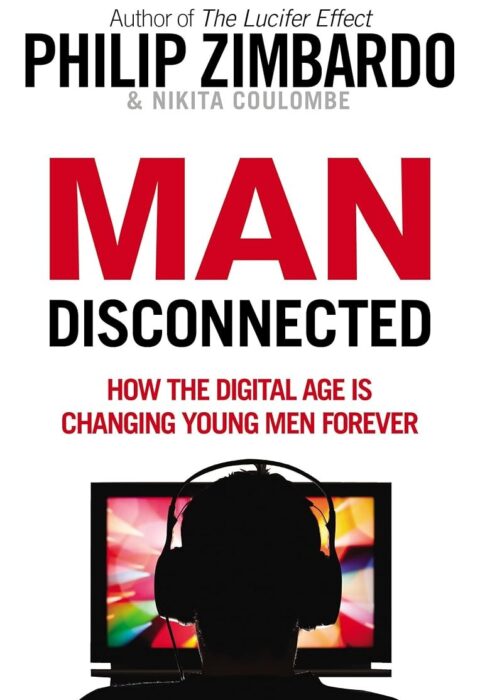
Philip Zimbardo and Nikita Coulombe's book describing young men's withdrawal from education, work and relationships (linked with video games, pornography and social anxiety) as a «crisis of masculinity». In the first two chapters that were read, the strongest side is the clear presentation of statistics and the way it sets the notion of «entitlement» against responsibility. The weak side is that a number of generalisations (men, women) are harsh, that the examples stay at the level of anecdote and that it rests mainly on American data. Thought-provoking for those who want to read the wider debate about men, but it should be read critically because it presents the relationship between the sexes one-sidedly.
3.5 / 5
ReviewsRafel Əlizadə
Man (Dis)Connected

Man (Dis)Connected

Philip Zimbardo, Nikita D. Coulombe · Non-fiction
Reviews
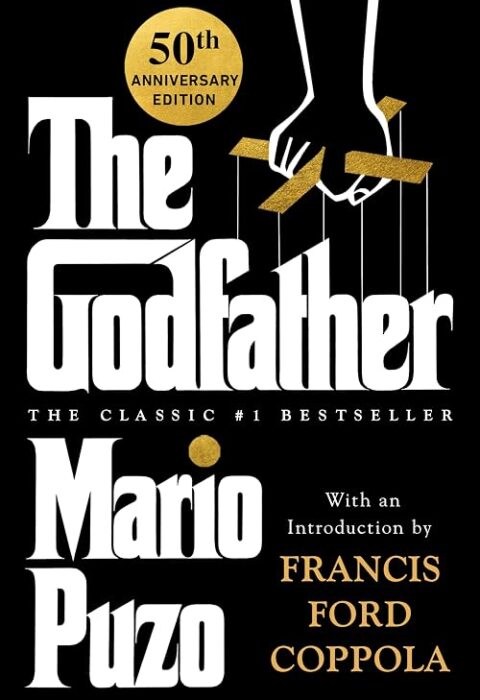
A novel that explains the world of organized crime through family loyalty and personal honor, fully earning its classic status.
4.7 / 5
ReviewsCavid Mehdiyev
The Godfather

The Godfather

Mario Puzo · Novel
Reviews
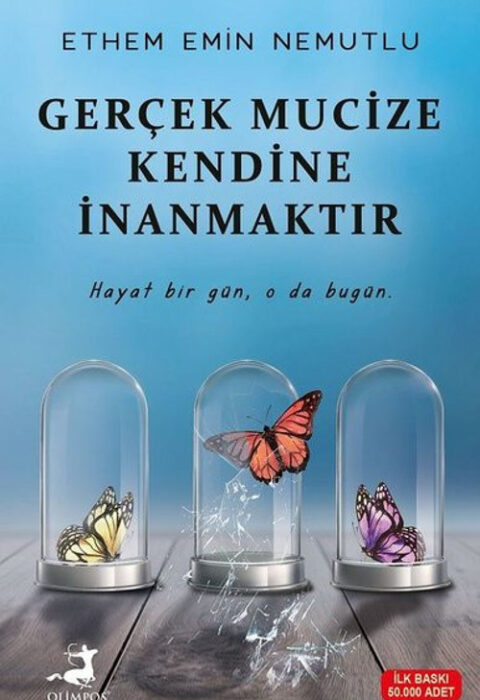
A motivational book by Ethem Emin Nemutlu, written in short, poetic paragraphs with a religious-spiritual tone, reworking a single "believe in yourself" thesis through dozens of stories and metaphors — more a collection of inspirational messages than a concrete methodology.
3.3 / 5
ReviewsTürkanə Əliyeva
The Real Miracle Is Believing in Yourself

The Real Miracle Is Believing in Yourself

Ethem Emin Nemutlu · Non-fiction
Esc — close · ↵ — open
Text