Psychological Resilience — At Every Age, from Childhood to Adulthood
Good Fit
- Adults going through a hard time — loss, disaster, major change — who want evidence-based support
- Parents who want to strengthen their child's emotional resilience
- Psychology students and teachers looking for an accessible introduction
Not a Fit
- Those expecting a step-by-step workbook-style programme
- Anyone seeking clinical trauma treatment — the book is no substitute for therapy
- Readers wanting in-depth academic analysis
In the preface Selçuk says she decided to write the book after the 6 February 2023 earthquakes, and she enters the subject from an unusual but moving angle: life teaches us to let go from the very start. Leaving the breast, our own bed, then home — all of these are «practice» for the great separations to come. If early separations were too frightening, a child makes an unconscious decision: «if closeness ends in pain, I won't get close again». According to the author, this decision can keep us from new bonds in adulthood, but running from pain also cuts us off from joyful experiences.
The book's central metaphor is a bicycle: things that gladden and things that sadden coexist in life, and when one side weighs too heavily we lose balance. Sometimes a few quick moves restore it, sometimes we fall; how badly we are hurt depends on the angle, on earlier injuries and on our inattention. Selçuk openly warns that the book may seem «story-like» but is built on scientific knowledge — only its language is not academic. That promise is largely kept: technical terms are explained and research is cited.
The chapter «Why Does Resilience Matter So Much Today?» lists modern sources of stress: the COVID-19 pandemic (over 762 million cases and 6.85 million deaths by April 2023, per WHO), the shift to hybrid work, climate change and migration, longer lifespans and digitalisation. This part is rather general and reads like a news round-up. More interesting is the author's point that resilience is not only needed for negative events: getting into a longed-for university, a new job, marriage or a first child also bring stress and anxiety; happiness–sadness and stress–anxiety are different emotional axes.
One of the most useful sections explains the difference between emotions and thoughts. Ali, who says «I feel inadequate as a father», is really expressing a judgement, not a feeling; «I was very sad I missed my son's performance, and I thought I was inadequate» separates thought from emotion. Selçuk links this to Turkey's collectivist culture: communal emotions (weddings, sending sons off to military service, funerals) are shared openly, whereas personal feelings are often suppressed «so as not to disturb the peace of the community». Readers from many similar cultures will recognise this observation.
Dan Siegel's «window of tolerance» is also explained clearly: in optimal arousal we can manage our emotions, in hyperarousal we become stressed, reactive and angry, and in hypoarousal no motivation to act arises at all. The image of a boat in a storm — fighting the waves is as dangerous as ignoring them; one must read the wind and trim the sails — sticks in the mind.
The weakness is the sheer breadth of topics: from climate change to a Honda story, from Stoicism to religion, many headings are covered in short sections and some remain shallow. Even so, it is one of the most reliable books on the subject in Turkish and one of the best suited to the local context.
- Short titled sections, everyday examples and analogies
- References to research findings, explanations of terms
- Separate parts for adults and children
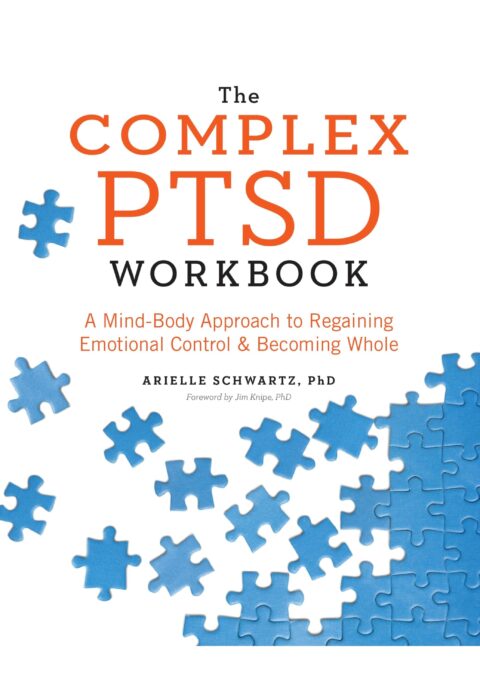
A practical workbook on the same topic — reviewed on our site
Siegel, cited in the book, on emotion regulation in children
The classic source on learned helplessness and the way out of it
The part read ends with the explanation of Dan Siegel's «window of tolerance»: in a state of ideal arousal we can manage emotions, in hyperarousal we become stressed, reactive and angry, and in hypoarousal no motivation for any action arises. The boat-in-a-storm analogy: fighting the wave is as dangerous as ignoring it; one must understand the direction of the wind and trim the sail.
If you see a problem, write to us. Publisher, author, rights holder, or just a reader — it doesn't matter. If there's something problematic about copyright in this review, if the review's author has broken the site's rules, or if you simply have a suggestion or complaint, hey@kitabdanevar.com. We'd rather resolve this between ourselves than go to court: we review requests within 48 hours and, if needed, correct or fully remove the review.