Şöhretin Yasası
Good Fit
- Readers of Robbins's other novels (The Carpetbaggers, The Dream Merchants) who want fast, conversational American bestsellers about the film-and-publishing world, money and fame
- Anyone curious about 1940s–50s Brooklyn, Hollywood and the French Riviera
- Readers who want to follow a writer's career and the inner workings of the screenplay-and-novel market
Not a Fit
- Readers who cannot tolerate explicit sex scenes, drugs and a coarse view of women: much of the book is built from these
- Anyone who wants a short, single-line plot: the novel stretches through episodes and repeated scenes
- Anyone under 18: one section contains a sexual episode with a 15-year-old character
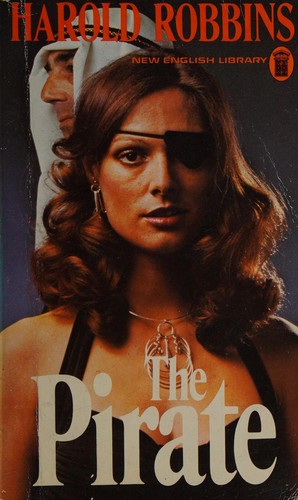
The book opens with the description of a crash: on the San Diego Freeway a truck closes in on a man's car, the narrator is afraid and blacks out. He wakes in the hospital's intensive care. The injured man is a famous writer, with a broken hip but a sound right hand, and can write. He jokes with a woman doctor and learns that after a Demerol shot, half conscious, he told «dirty jokes». His doctor friend Ed says six months of recovery are needed.
From here the novel plainly returns to the distant past. The hero's name is Joe Crown, really Kronowitz; he lives in Brooklyn in a Jewish family, in the early 1940s not yet a writer, writing stories for cheap «pulp» magazines and earning fifteen to twenty dollars a week. His mother scrapes carrots in the kitchen, weeps and shows him the letter from the draft board: he has been called for examination in three weeks. He wants to avoid the army.
There are two more people at home. His cousin Motty is twenty-five, a shop assistant, and her parents died when she was ten. Joe's older brother Steven studies medicine in Oklahoma, serious and decided. Joe has been fired from the paper: they no longer take on young men of that age, and moreover his secret closeness with the woman reporter Kitty led to his dismissal. His mother tells him to go to his father.
His father Phil runs a chicken shop on Pitkin Boulevard and secretly lends money at interest besides. When Joe comes to the shop, the partner Al Pavone tells him his father is having lunch at the nearby «Little Oriental» restaurant with Louis Buchalter, that is, Lepke himself, one of Brooklyn's well-known mob leaders. Phil washed and put on clean clothes first. This episode shows that the young writer is the child of a family squeezed by the underworld.
Here the author gives not so much literature itself as a portrait of the milieu: the streets of Brownsville, restaurateurs, chicken sellers, the parent-child relations of a Jewish family. Joe is joking, a womaniser and carefree: he sees even the draft call merely as a problem and tries to put everything onto his mother. The language is easy, each chapter short, the dialogue quick.
- The prose is plain, with short sentences, written for a wide readership; dialogue makes up much of the book
- The workings of the film, magazine and publishing market, contracts, agents and studio politics are portrayed vividly and convincingly
- Many characters (the mob friends, the studio boss, the countess) are types and caricatures
- The plot is made of episodes; the sex scenes and the turnover of women repeat in the later parts
- The frame story (hospital and epilogue) tries to make the novel read as the author's own life story but that thread is thinly worked
The same author's novel about the birth of the film industry
About a woman screenwriter's rise and losses in Hollywood
A classic novel of an unstoppable rise in Hollywood and its moral price
At the restaurant Buchalter looks over Joe's case: «the boy looks good». He says that if he has been called to the Grand Central office the matter will cost more, and demands two thousand dollars and a commission from Phil's earnings. In return Joe will take a job at a dark «shop» in Manhattan under a new name, answer phones and occasionally deliver orders. Phil agrees.
Joe then goes to the «Searchlight Comics» editorial office. The editor Hazle has liked the story he wrote for «Spicy Adventure» but finds it too long and suggests turning the 2,500-word story into a twenty-part series. Joe reckons: a penny a word, so just twelve dollars for a 1,200-word instalment. Here his struggle between money and authorship first shows.
If you see a problem, write to us. Publisher, author, rights holder, or just a reader — it doesn't matter. If there's something problematic about copyright in this review, if the review's author has broken the site's rules, or if you simply have a suggestion or complaint, hey@kitabdanevar.com. We'd rather resolve this between ourselves than go to court: we review requests within 48 hours and, if needed, correct or fully remove the review.